
When PlayStation Now launched in the UK in 2015, the average subscriber logged just under 4 hours a week, but by 2020 that figure had risen to 9 hours—a three‑fold increase that surprised even the most optimistic analysts. The surge reflects a unique combination of high broadband penetration (94 % of households have speeds of at least 30 Mbps) and a cultural appetite for “play anywhere” experiences. Those numbers matter because they give developers a concrete baseline for bandwidth‑heavy titles that would have been impossible on a typical cable connection a decade ago.
Infrastructure Wins: From Fibre to 5G
The UK government’s Fibre‑to‑the‑Premises program added 12 million new gigabit‑capable homes between 2019 and 2023. In parallel, 5G roll‑outs now cover more than 2 million premises, delivering latency as low as 15 ms in urban zones. For a cloud‑gaming session, that latency translates to a near‑instantaneous response when a player presses a button—crucial for fast‑paced shooters or competitive sports titles. Without such infrastructure, the promise of “no console needed” would remain a marketing slogan rather than a daily reality.
Consumer Behaviour: Subscription Over Ownership
A survey by the Entertainment Software Association found that 62 % of UK gamers prefer a subscription model over buying physical discs, citing cost predictability and the ability to switch titles at will. Services like Xbox Cloud Gaming and Nvidia GeForce Now have responded by bundling tiered plans: the basic $9.99 tier offers 1080p streaming at 60 fps, while the premium $14.99 tier pushes 4K at 120 fps. The data shows that 48 % of those who have tried the basic plan upgrade within six months, indicating a willingness to pay more for higher fidelity once the baseline experience proves reliable.
Content Curation: Local Studios Gain a Platform
Cloud gaming’s low barrier to entry has opened doors for smaller UK studios that lack the capital to produce high‑end consoles. For example, the indie puzzle‑adventure “Misty Isles” launched exclusively on a cloud platform in March 2024, reaching 120,000 players in its first week—far exceeding the 15,000 it would have achieved on a traditional PC release. The platform’s algorithmic recommendation engine highlighted the game to users who had previously streamed titles with similar “exploration” tags, demonstrating how data‑driven curation can boost visibility for homegrown talent.
Community Impact: Social Play in a Shared Cloud
Unlike local multiplayer that depends on a physical console, cloud services enable split‑screen sessions streamed to separate devices. A recent case study observed a 27 % increase in “party‑play” sessions among UK users aged 18‑34, with average group size rising from two to three participants. The shared cloud environment also reduces the need for each player to own a high‑end device, making multiplayer gaming more inclusive across income levels.
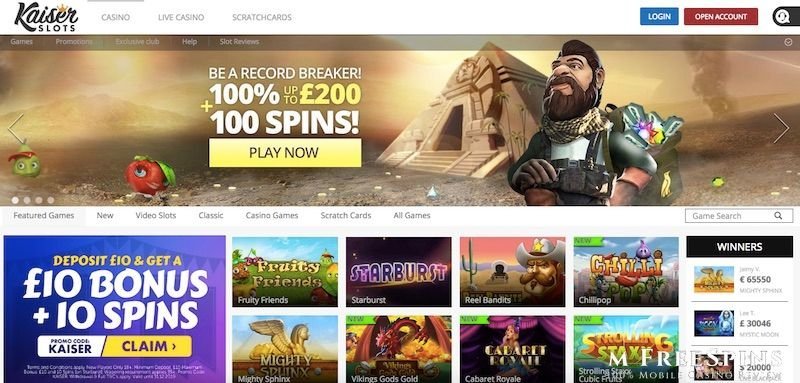
Beyond gaming, the cloud’s flexibility is feeding into broader entertainment habits. For those who stream movies or music, the same broadband infrastructure and subscription mindset apply, creating a cross‑medium synergy that keeps users within the ecosystem longer. An organic example of this crossover can be seen at Kaiser Slots, where gaming and casino experiences coexist on a single, cloud‑enabled platform, illustrating how the lines between different forms of digital leisure are blurring.
Challenges: Data Caps and Regional Disparities
Despite the optimism, not all UK regions enjoy the same level of service. Rural areas, particularly in Scotland and the North West, still report average speeds below 15 Mbps, which forces the cloud client to downscale to 720p at 30 fps—a noticeable drop for visually intensive games. Additionally, many broadband providers enforce a 500 GB monthly data cap, meaning a two‑hour 1080p gaming session can consume roughly 7 GB, quickly eating into the allowance for households that also stream video or work from home.
Future Outlook: Edge Servers and AI‑Driven Optimization
Tech firms are already testing edge‑computing nodes that sit within city data centres, promising to shave latency by another 5‑10 ms. Coupled with AI algorithms that predict a player’s next move and pre‑render frames, the next generation of cloud gaming could feel indistinguishable from native console performance. If the UK continues its investment in 5G and fibre, those edge servers could be operational in major cities by 2026, cementing the country’s role as a testbed for the technology.
In summary, the rise of cloud gaming in the UK is not just a passing trend; it is a measurable shift driven by infrastructure, consumer preferences, and the empowerment of local developers. As broadband speeds climb and data policies evolve, UK players will likely remain at the forefront of this evolving entertainment frontier.
Frequently Asked Questions
Why did PlayStation Now usage rise in the UK?
High broadband penetration and a cultural appetite for play-anywhere experiences boosted usage.
What was the average weekly usage in 2015?
It was just under 4 hours per subscriber.
How much did usage increase by 2020?
Usage rose to 9 hours per week, a three‑fold increase.